
Faster digital payments, more app-based services, and shifting fee and interest rules in 2026 make your choice of bank more important than before. Are you using the right product for daily spending or for building goals?
In this article you’ll see a simple side-by-side look at “checking vs savings account” so you can decide quickly. A checking is your day-to-day transaction hub for bills, debit purchases, and transfers. A savings is where you park funds to grow with interest and meet future goals.
We’ll cover key features like debit cards, ATMs, and mobile apps, plus the fees you may face—maintenance, overdraft, and ATM charges—and how interest or APY affects growth. You’ll learn what to keep in each place and when using both makes life easier.
Want a quick deep dive from a bank perspective? See this helpful guide from TD for chequing and savings basics: chequing and savings explained.
Key Takeaways
- You’ll learn which product suits daily spending, short-term cash, and longer-term goals.
- Expect to compare fees, overdraft risk, and interest/APY before choosing.
- Mobile features and fast payment options matter more in 2026.
- Using both types often gives the best balance of access and growth.
- By the end, you’ll know simple steps to set up each for your needs.
Why Choosing the Right Bank Account Matters in 2026
Your banking choices matter now that digital features and shifting rates shape how money moves. Mobile deposits, instant bill pay, and tap-to-pay mean you need clear, real-time balances and alerts so you don’t overdraft or lose track of funds.

How digital tools, fees, and changing interest rates affect your money
Digital-first banks offer convenience, but tools vary by provider. Some banks have faster transfers and better alerts; others lag on settlement times.
Fees can quietly eat returns—monthly maintenance, out-of-network ATM costs, and overdraft charges all matter when you move money often.
Interest and rates shift with markets. Savings yields can rise or fall, so you should compare APY behavior and how quickly a bank updates rates.
Why many people use both types together
Use a transaction hub for payroll and bills, and a savings-style place as a goal or emergency stash. Quick transfers between them give you both access and growth.
- Travel: watch foreign fees and card acceptance.
- Gig work: check direct deposit timing.
- Variable expenses: keep a buffer to avoid overdraft costs.
Next: you’ll see specific features, common fee traps, and a simple decision framework to match products to your goals.
Checking Account Basics: How It Works and What You Use It For
Think of this product as the hub for daily money flow—payroll, bills, and quick purchases. It’s where your paycheck lands via direct deposit and where you pay recurring bills, rent, and subscriptions.
Everyday uses include in-store and online debit purchases, peer-to-peer transfers, and automated bill pay. You’ll also use it for ATM withdrawals and quick transfers to other places where you keep savings or investments.
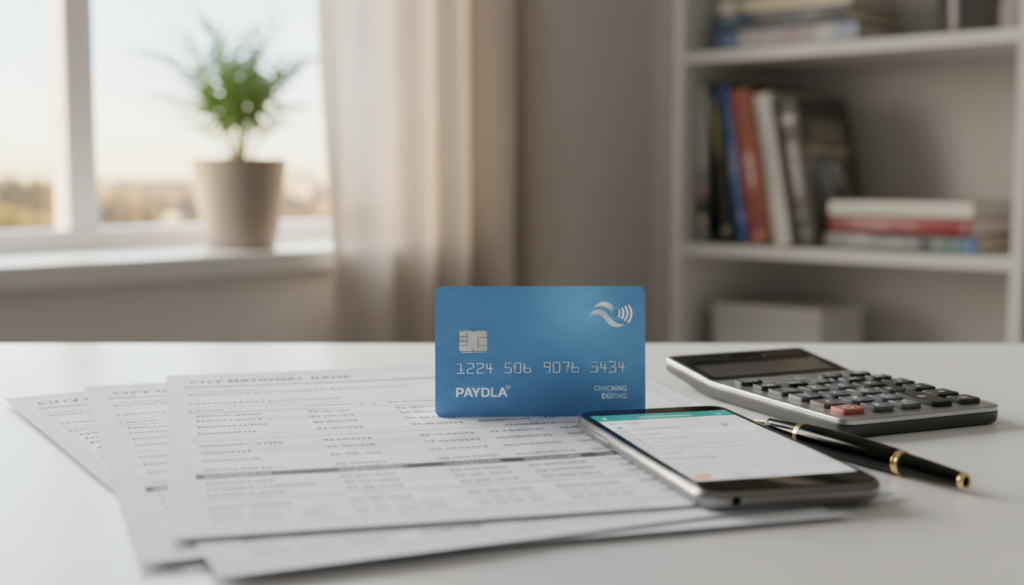
Core features to expect are debit cards, ATM access, mobile check deposit, bill pay, and searchable transaction records in the app. Mobile alerts and instant transfers vary by provider and shape how fast you can reach your funds.
Fees and what to watch
Common fees include monthly maintenance, overdraft charges when you spend more than your balance, out-of-network ATM fees, wire transfer fees, and foreign transaction fees for travel.
Practical tip: Treat this as your money hub—not long-term storage. Interest is usually minimal, so keep larger balances in a place that earns yield.
What to check before opening
- Minimum opening deposit and balance needed to avoid monthly fees.
- Fee-waiver rules like required direct deposit or minimum daily balance.
- The bank’s digital tools: mobile deposit, bill pay, alerts, and ATM network reimbursement.
- Consider an interest-bearing option if you want some return: interest-bearing checking options.
Savings Account Basics: How It Works and How You Earn Interest
Think of a savings place as a secure spot that rewards patience with interest over time. It’s designed for funds you don’t need for daily spending and for goals like an emergency fund or a down payment.
What APY means: APY shows the annual yield you get when interest compounds. For example, a 1% APY on $1,000 pays about $10 in a year. That makes even small differences in rates important over time.
Access rules and withdrawals
Savings accounts limit transfers and withdrawals compared with a daily-use product. They often lack debit cards or check-writing, so you shouldn’t use them for routine purchases.
Common fees and minimum balance effects
Typical fees include monthly service charges, excess withdrawal fees, paper statement or inactivity fees, and early closure penalties. You can often avoid fees by keeping a minimum balance or choosing e-statements.
High-yield options and market-linked rates
High-yield savings may offer 4–5% at times, but rates move with the market. Review APY periodically so you keep funds where they earn higher interest.
“Small, steady deposits plus interest can turn a simple habit into real progress.”
Checking vs Savings Account: Side-by-Side Differences</h2>
Use this quick chart to spot the practical differences that matter for your money routine.
| Feature | Best for | Access & transactions | Interest / fees / minimum balance |
|---|---|---|---|
| Primary purpose | Bills & spending | Debit card, ATM, bill pay | Low interest; possible maintenance fees; low/no minimum balance |
| Use case | Daily purchases, payroll | High transaction frequency | Watch overdraft and out-of-network fees |
| Access to money | Immediate access | Unlimited in most cases | No holds; linked transfers are easy |
| Interest earned | Short-term cash needs | Low or none | Higher-yield options often elsewhere |
| Common fees | Transaction & service focus | Monthly maintenance, overdraft | Fee waiver often via direct deposit |
| Minimum balance | Flexible | Usually low or none | Savings-style products may require a higher minimum balance |
Quick decision guide
If you pay bills and buy daily items, keep most day-to-day money in a transaction hub.
If you’re building an emergency fund or a goal, place funds where they earn more and limit withdrawals.
For short-term cash you’ll need in weeks or months, consider higher-yield options or a linked savings-style product and use transfers to move money when needed.
- If you overspend easily, keep a lower balance in your spending product and move excess to a growth place.
- If low fees matter most, compare fee-waiver rules before you open any bank account.
Pros and Cons of Checking and Savings Accounts
Every financial product has trade-offs; knowing them helps you keep more money and stress less.
Checking accounts: fast access and routine convenience
Strengths: You get easy ATM access, debit purchases, automated bill pay, and direct deposit. Mobile apps track transactions and add security tools so you can spot problems quickly.
Drawbacks: Costs can add up. Overdraft charges, monthly service fees, out-of-network ATM fees, and foreign transaction or wire fees may hit your balance fast. Interest is typically low, so large balances don’t grow much.
Who this fits: If you move money often and pay bills regularly, this product keeps daily life running smoothly.
Savings accounts: growth and discipline with limits
Strengths: You earn interest and create a natural barrier to impulse spending. These are great for emergency funds and specific goals because they keep cash separate.
Drawbacks: Withdrawal limits, minimum-balance rules, and service charges can reduce flexibility. Rates also change, so yield may vary over time.
Who this fits: If you want to build goals and a buffer, this product helps you stay disciplined and grow funds.
| Product | Main benefit | Main cost or limit | Best for |
|---|---|---|---|
| Checking accounts | Immediate access and bill automation | Overdraft and service fees | High-transaction lifestyles |
| Savings accounts | Interest and goal separation | Withdrawal limits and rate changes | Planners building emergency funds |
| Paired use | Balance of access and growth | Need to manage transfers to avoid fees | Most consumers |
Tip: Pairing both products and automating transfers reduces fees and keeps a buffer so you avoid costly overdrafts while still growing your money.
Real-Life Examples and Smart Setups Using Both Accounts</h2>
A simple, automated split between your spending hub and a growth place reduces stress and makes goals realistic. Route pay via direct deposit into your spending product, then move a fixed sum to a separate growth product right after payday.
Cover monthly expenses while protecting extra cash from fraud risk
Keep only a few weeks’ worth of expenses in the product tied to your debit card. That way a lost or compromised card won’t drain your reserves.
Build an emergency fund for job loss, medical bills, or car repairs
Aim for 3–6 months of essential expenses. Define essentials: housing, utilities, food, insurance, and minimum debt payments. Automate transfers so the fund grows without thinking.
Save for goals and consider alternatives
Create named buckets for vacation, education, or a home down payment. Use recurring transfers and review which product gives the best APY or better access.
When to consider other types: money market accounts blend checking-like access with higher interest. CDs can pay more, but they lock funds for set terms and include early withdrawal penalties.
“Keep most funds out of your daily spending product and automate transfers to stay protected and on track.”
- Smart habit: schedule transfers, keep a small buffer to avoid overdraft, time moves around bill due dates.
- Safety: pick FDIC- or NCUA-insured providers, enable alerts and two-factor sign-in, and lock your card in-app if needed.
- Common mistakes: leaving too much in a low-yield place; ignoring fees; chasing teaser APYs without reading terms.
Conclusion
The clearest rule: keep daily funds where you spend and growth funds where they earn interest.
Use a checking product for bills and routine purchases, and a savings place to store larger sums and earn yield. Link the two so transfers are fast and simple.
Call to action: Review your current fees and APY today, then set one automated transfer to support your next goal—an emergency fund or an upcoming expense.
What to do next: compare fee schedules, confirm ATM access, check minimum-balance rules, and turn on mobile alerts for low balance and large transactions.
FAQ
Q: Can you have both a checking and savings account at the same bank? A: Yes; it often simplifies transfers and tracking.
Q: Is your money safe in checking and savings accounts? A: Generally yes—FDIC and NCUA insure deposits up to $250,000 per depositor, per bank, per ownership category.
Q: How much should you keep in checking vs. savings? A: Keep one month of bills plus a small buffer in checking; hold 3–6 months of essential expenses in savings.
Internal links: How to open a checking account online (step-by-step), Emergency fund basics: how much to save and where to keep it
Authority sources: FDIC Deposit Insurance, NCUA Share Insurance