

Bitcoin represents a watershed moment in financial history—the world’s first decentralized cryptocurrency that operates without central authority or banks. Created in 2009, it has grown from an obscure digital token worth pennies to a global financial phenomenon valued at thousands of dollars. This comprehensive guide explores Bitcoin’s origins, how it works, its applications, benefits, risks, and future potential in our increasingly digital world.
What Is Bitcoin?
Bitcoin is the world’s first decentralized cryptocurrency, launched in 2009
Bitcoin is a digital currency that allows secure peer-to-peer transactions on the internet without requiring a central authority like a bank or government. Unlike traditional currencies issued by governments (fiat money), Bitcoin is created, distributed, traded, and stored using a decentralized ledger called blockchain.
As the pioneer cryptocurrency, Bitcoin introduced revolutionary concepts that have changed how we think about money in the digital age:
- Decentralization: No single entity controls Bitcoin
- Limited supply: Only 21 million bitcoins will ever exist
- Transparency: All transactions are publicly recorded on the blockchain
- Security: Cryptographic techniques protect transactions
- Divisibility: Each bitcoin is divisible to eight decimal places (0.00000001 BTC, called a “satoshi”)
Bitcoin can function as an investment vehicle, a store of value similar to gold, a way to transfer value globally, or simply as an entry point to explore emerging financial technology.
Begin Your Bitcoin Journey
Ready to learn more about Bitcoin? Get our comprehensive beginner’s guide delivered to your inbox.
The History and Creation of Bitcoin
Bitcoin’s story begins with its mysterious creator, known only by the pseudonym Satoshi Nakamoto. To this day, Nakamoto’s true identity remains unknown, despite numerous investigations and claims.
Key Moments in Bitcoin’s History
| Date | Event | Significance |
| October 31, 2008 | Bitcoin whitepaper published | Satoshi Nakamoto releases “Bitcoin: A Peer-to-Peer Electronic Cash System” |
| January 3, 2009 | Genesis block mined | The first bitcoin block created, containing a Times headline about bank bailouts |
| May 22, 2010 | First real-world purchase | Laszlo Hanyecz buys two pizzas for 10,000 BTC (now celebrated as “Bitcoin Pizza Day”) |
| 2011 | Satoshi disappears | Nakamoto hands over control to the community and vanishes |
| December 2017 | First major price surge | Bitcoin reaches nearly $20,000, gaining mainstream attention |
| November 2021 | All-time high price | Bitcoin price reaches over $64,000 |
| January 2024 | US Bitcoin ETFs approved | First spot Bitcoin ETFs begin trading on US exchanges |
Nakamoto’s white paper outlined a vision for a digital currency that would eliminate the need for trusted third parties like banks. The timing was significant—published during the 2008 financial crisis when trust in traditional banking systems was at a historic low. The first bitcoin block (the “genesis block”) contained a Times newspaper headline about bank bailouts, suggesting Nakamoto’s motivations were at least partly a response to perceived failures in the conventional financial system.
From its humble beginnings trading for pennies, Bitcoin has experienced dramatic price fluctuations while gradually gaining legitimacy in the financial world. Major companies now hold Bitcoin as a treasury asset, and financial institutions increasingly offer Bitcoin-related services to clients.
How Bitcoin Works: Understanding the Technology
The Blockchain: Bitcoin’s Foundation
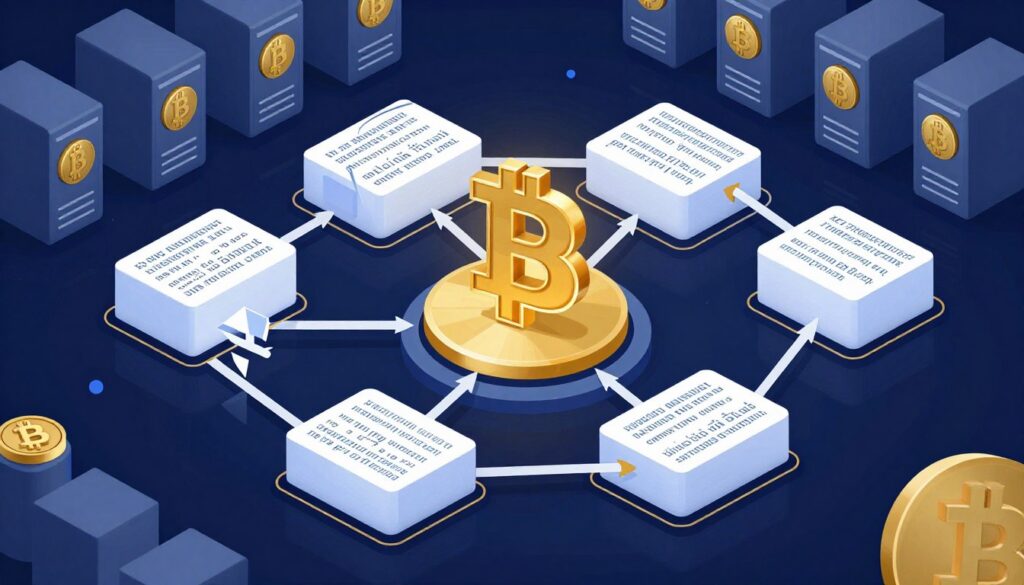
At Bitcoin’s core is the blockchain—a distributed public ledger that records all transactions. Unlike traditional ledgers maintained by banks, the Bitcoin blockchain is:
- Distributed across thousands of computers worldwide
- Publicly viewable by anyone
- Immutable (once recorded, data cannot be altered)
- Secured by cryptography and consensus mechanisms
Each “block” in the blockchain contains a batch of verified transactions. Once a block is added to the chain, its information becomes permanent and visible to all network participants. This transparency helps prevent fraud while maintaining user privacy through pseudonymous addresses.
Mining: How New Bitcoins Are Created
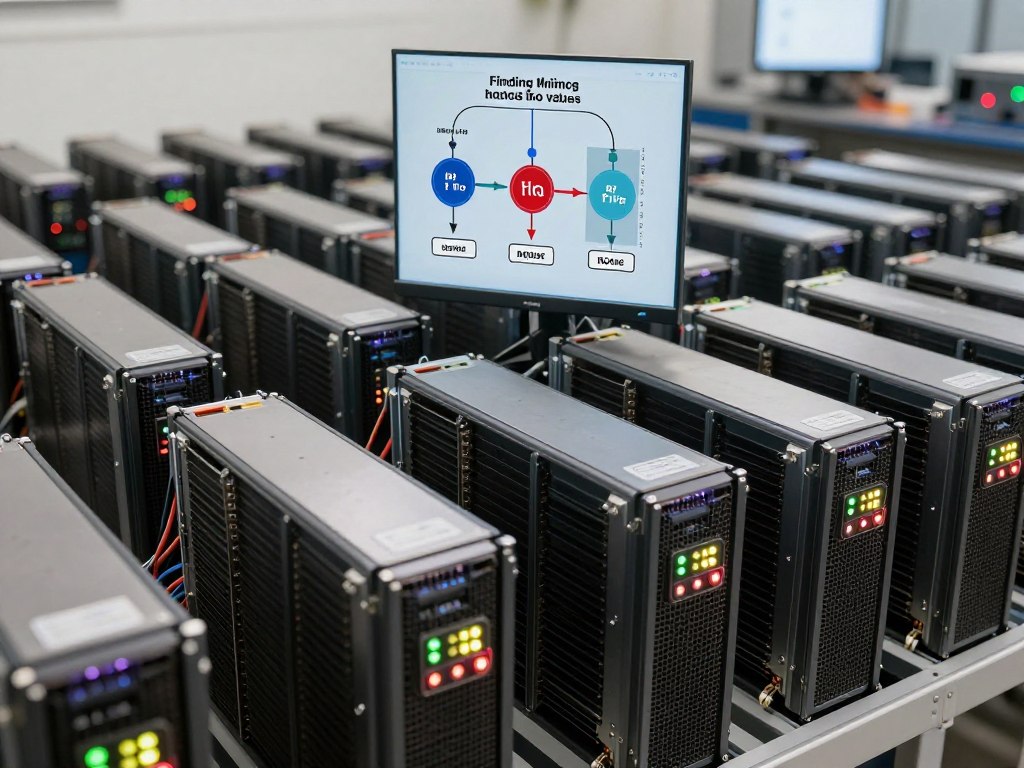
Bitcoin mining serves two crucial functions: creating new bitcoins and validating transactions. Miners use powerful computers to solve complex mathematical problems that:
- Verify the legitimacy of Bitcoin transactions
- Add new blocks to the blockchain
- Secure the network against attacks
- Release new bitcoins into circulation according to a predetermined schedule
Mining requires significant computational power and electricity. As a reward for their work, miners receive newly created bitcoins plus transaction fees. The Bitcoin protocol automatically adjusts the mining difficulty every 2,016 blocks (approximately two weeks) to maintain an average block creation time of 10 minutes.
Importantly, Bitcoin has a fixed supply cap of 21 million coins. This scarcity is programmed into the protocol—approximately every four years, an event called “halving” reduces the mining reward by 50%. The most recent halving occurred in 2024, reducing the reward from 6.25 to 3.125 bitcoins per block.
“Bitcoin is the first example of a new form of life. It lives and breathes on the internet. It lives because it can pay people to keep it alive. It lives because it performs a useful service that people will pay it to perform.”
Bitcoin Transactions and Wallets
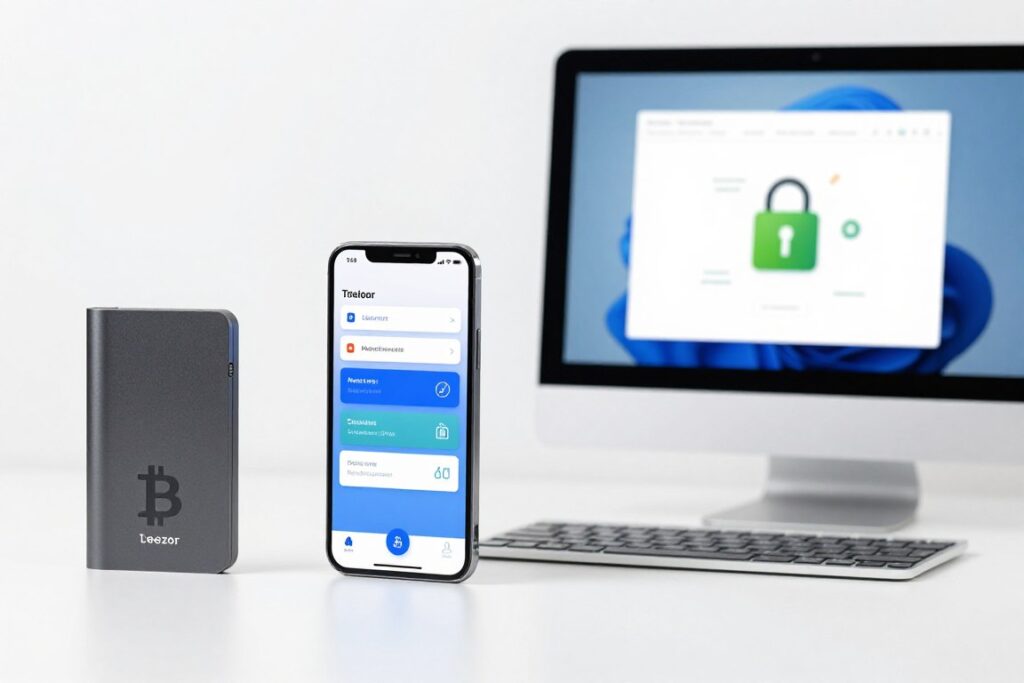
To use Bitcoin, you need a digital wallet that stores your private keys—the cryptographic codes that give you access to your bitcoins. Your wallet doesn’t actually contain bitcoins; rather, it holds the keys that allow you to access and manage your funds on the blockchain.
When you send bitcoin, your wallet creates a transaction that includes:
- The recipient’s public key (their Bitcoin address)
- The amount to send
- A digital signature created with your private key
This transaction is broadcast to the Bitcoin network, where miners verify its validity before adding it to the blockchain. Once confirmed, the transaction becomes permanent and irreversible.
Types of Bitcoin Wallets
Hardware Wallets
Physical devices that store private keys offline, providing maximum security against hacking.
Most Secure
Software Wallets
Applications installed on computers or smartphones, offering convenience with reasonable security.
Convenient
Exchange Wallets
Accounts on cryptocurrency exchanges, easiest for beginners but give third-party control of your keys.
Beginner Friendly
Ready to Secure Your First Bitcoin?
Create an account on a trusted exchange to buy, store, and manage your Bitcoin securely.
Uses and Applications of Bitcoin
Bitcoin has evolved from an experimental digital currency to a multi-faceted financial tool with diverse applications. Here are the primary ways people use Bitcoin today:
Digital Currency for Payments
As its original intended purpose, Bitcoin functions as money for the internet age. Thousands of merchants worldwide now accept bitcoin payments, from major corporations like Microsoft to small local businesses. The advantages of using Bitcoin for payments include:
- Lower transaction fees compared to credit cards (especially for international payments)
- No need for a bank account or credit history
- Protection against identity theft (no personal information required)
- Irreversible transactions that protect merchants from chargebacks
- Global accessibility without currency conversion complications
Store of Value (“Digital Gold”)
Many investors view Bitcoin as a digital alternative to gold—a store of value that can preserve wealth over time. This perspective has gained traction due to:
- Bitcoin’s fixed supply cap of 21 million coins (creating scarcity)
- Its independence from government monetary policies
- Resistance to inflation and currency devaluation
- Portability advantages over physical assets like gold
Investment Asset

Bitcoin has become a significant investment asset class, with various ways to gain exposure:
- Direct ownership of bitcoin
- Bitcoin ETFs (Exchange-Traded Funds)
- Bitcoin mining stocks
- Bitcoin futures and options
- Companies with significant Bitcoin holdings
Institutional adoption has accelerated, with public companies like MicroStrategy and Tesla adding Bitcoin to their balance sheets as a treasury reserve asset.
International Remittances
For people sending money across borders, Bitcoin offers a compelling alternative to traditional remittance services. Benefits include:
- Lower fees (traditional remittance services often charge 5-10%)
- Faster transfers (minutes or hours instead of days)
- Accessibility in regions with limited banking infrastructure
- No intermediaries to block or delay transfers
Financial Inclusion
For the approximately 1.7 billion adults worldwide without access to banking services, Bitcoin provides a way to participate in the global economy. With just a smartphone and internet connection, anyone can create a Bitcoin wallet and begin transacting—no bank approval required.
Did you know? El Salvador became the first country to adopt Bitcoin as legal tender in 2021, though this status was effectively revoked in 2025. Several U.S. states, including Texas and New Hampshire, have established strategic Bitcoin reserves.
Benefits and Risks of Bitcoin
Benefits of Bitcoin
- Decentralization: No central authority can manipulate the currency
- Limited Supply: Protection against inflation through capped 21 million supply
- Transparency: All transactions are publicly verifiable on the blockchain
- Low Fees: Especially for large or international transfers
- Financial Privacy: Transactions don’t require personal information
- Global Access: Available to anyone with internet connection
- Irreversible Transactions: Protection against chargebacks and fraud
- 24/7 Operation: No banking hours or holidays
Risks of Bitcoin
- Price Volatility: Significant price fluctuations can occur rapidly
- Regulatory Uncertainty: Evolving legal status in many jurisdictions
- Security Concerns: If private keys are lost or stolen, funds are unrecoverable
- Technical Complexity: Learning curve for new users
- Scalability Challenges: Limited transaction throughput during peak times
- Energy Consumption: Mining process requires significant electricity
- Irreversibility: Mistakes cannot be undone (sending to wrong address)
- Adoption Barriers: Not yet widely accepted for everyday transactions
Managing Bitcoin Risks
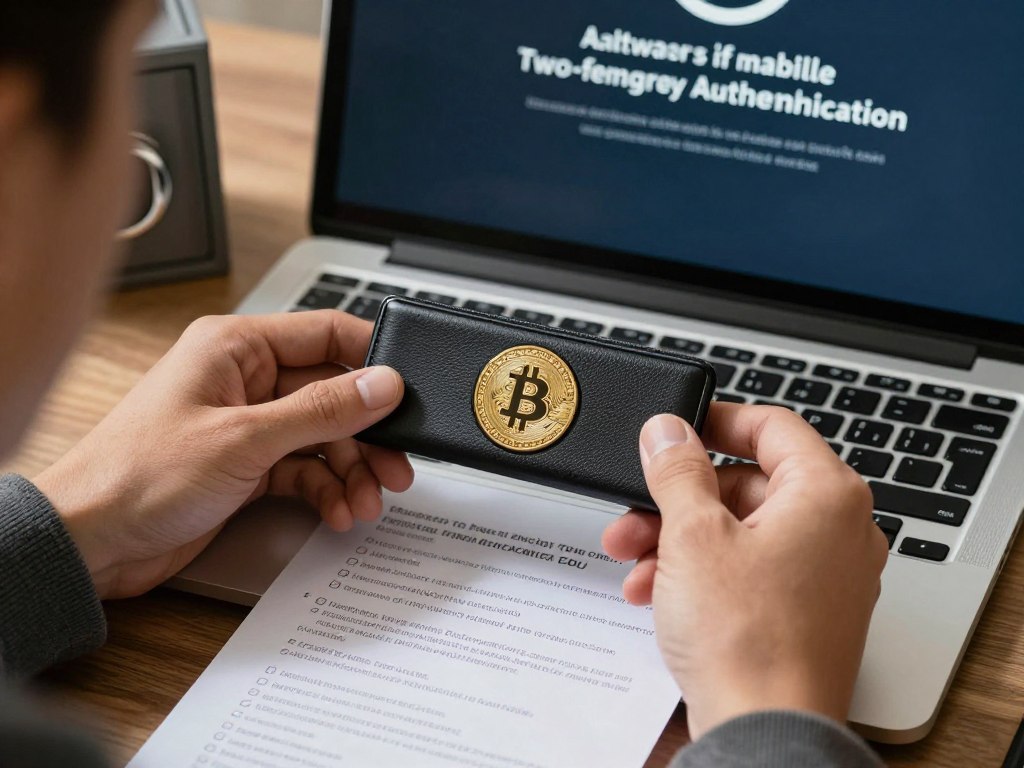
While Bitcoin presents certain risks, many can be mitigated through proper education and security practices:
- Secure your private keys using hardware wallets for significant amounts
- Use reputable exchanges with strong security measures and insurance
- Enable two-factor authentication on all cryptocurrency accounts
- Maintain backup copies of wallet recovery phrases in secure locations
- Start with small amounts until you’re comfortable with the technology
- Consider dollar-cost averaging to reduce the impact of volatility
- Stay informed about regulations in your jurisdiction
Learn Bitcoin Security Best Practices
Get our comprehensive security guide to protect your Bitcoin investment from common threats.
Current Trends and Future Outlook
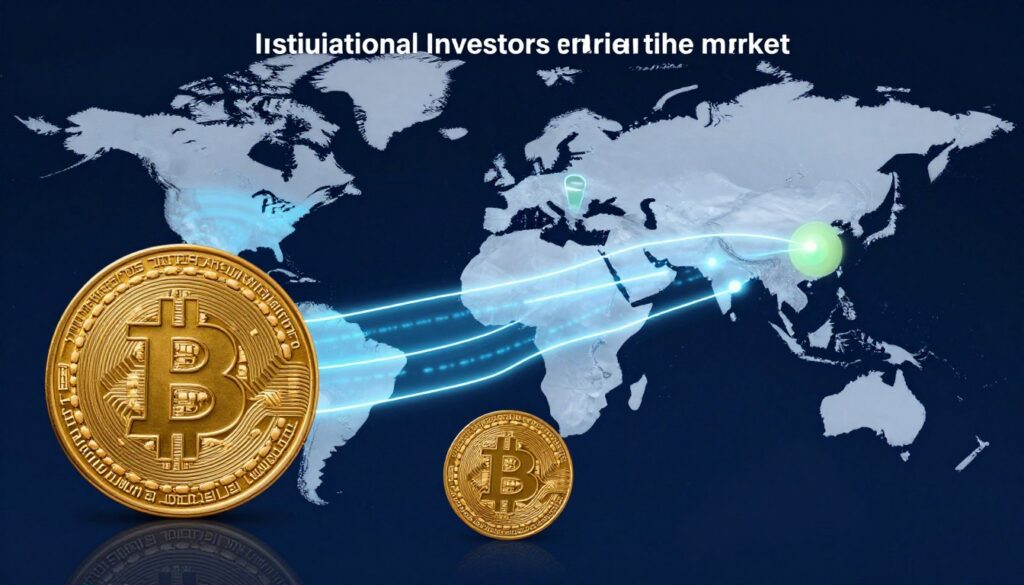
Institutional Adoption
One of the most significant recent trends is the growing institutional acceptance of Bitcoin. Major developments include:
- Launch of Bitcoin ETFs in the United States (January 2024)
- Corporate treasury investments by public companies
- Major banks offering Bitcoin custody and trading services
- Traditional financial institutions developing Bitcoin products
- Venture capital investment in Bitcoin infrastructure
This institutional involvement has brought greater legitimacy, liquidity, and stability to Bitcoin markets, though volatility remains a characteristic of the asset class.
Technological Developments
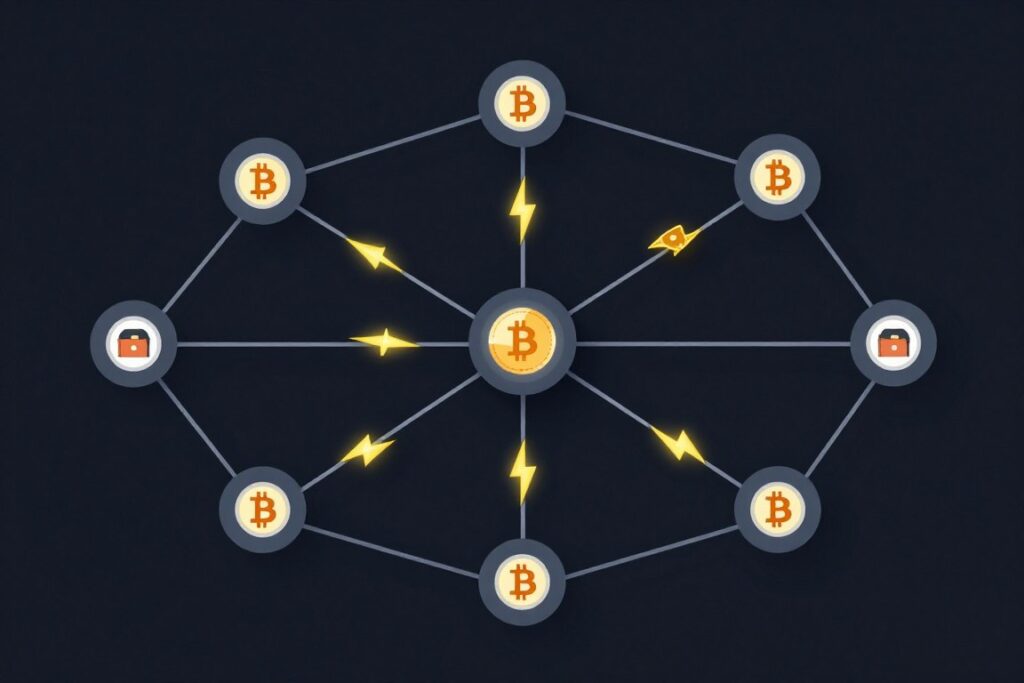
The Bitcoin protocol continues to evolve through carefully implemented upgrades. Key technological developments include:
- Lightning Network: A “layer 2” solution enabling faster, cheaper transactions
- Taproot Upgrade: Improved privacy, efficiency, and smart contract capabilities
- Schnorr Signatures: Enhanced transaction privacy and reduced blockchain space
- Ordinals: Non-fungible tokens (NFTs) on Bitcoin
These improvements address some of Bitcoin’s limitations while preserving its core properties of security and decentralization.
Regulatory Landscape
Regulation of Bitcoin continues to evolve globally, with approaches varying widely by country:
- Some nations have embraced Bitcoin with clear regulatory frameworks
- Others have imposed restrictions or outright bans
- Many are developing balanced approaches to protect consumers while fostering innovation
The trend appears to be moving toward greater regulatory clarity rather than prohibition, as governments recognize Bitcoin’s permanence in the financial landscape.
Future Possibilities
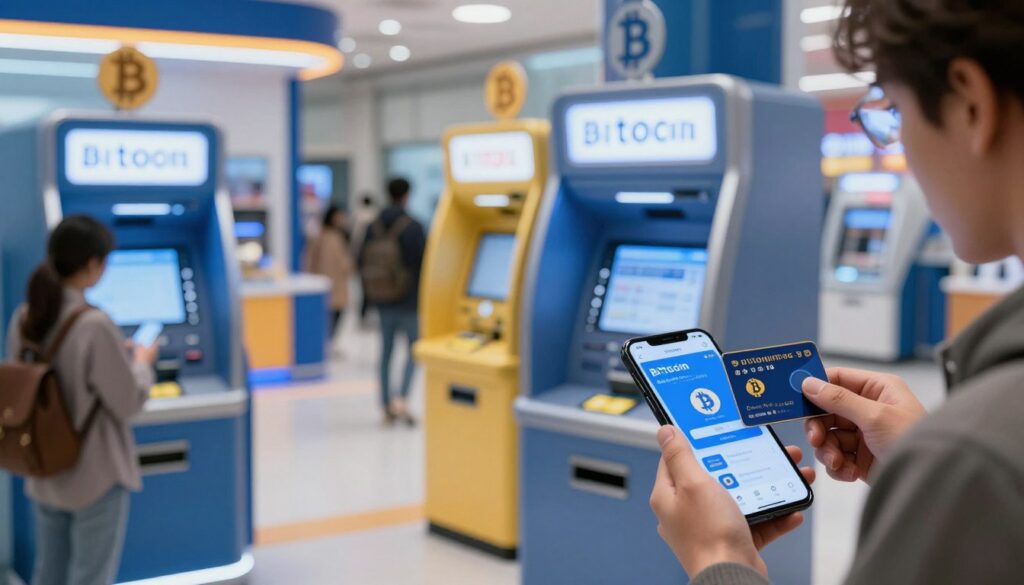
Looking ahead, several potential developments could shape Bitcoin’s future:
- Central Bank Digital Currencies (CBDCs): Potential competition or complementary systems
- Further Scaling Solutions: Technologies to increase transaction capacity
- Integration with Traditional Finance: Seamless bridges between Bitcoin and conventional banking
- Broader Merchant Adoption: More businesses accepting Bitcoin payments
- Nation-State Adoption: More countries potentially adding Bitcoin to reserves
How to Get Started with Bitcoin
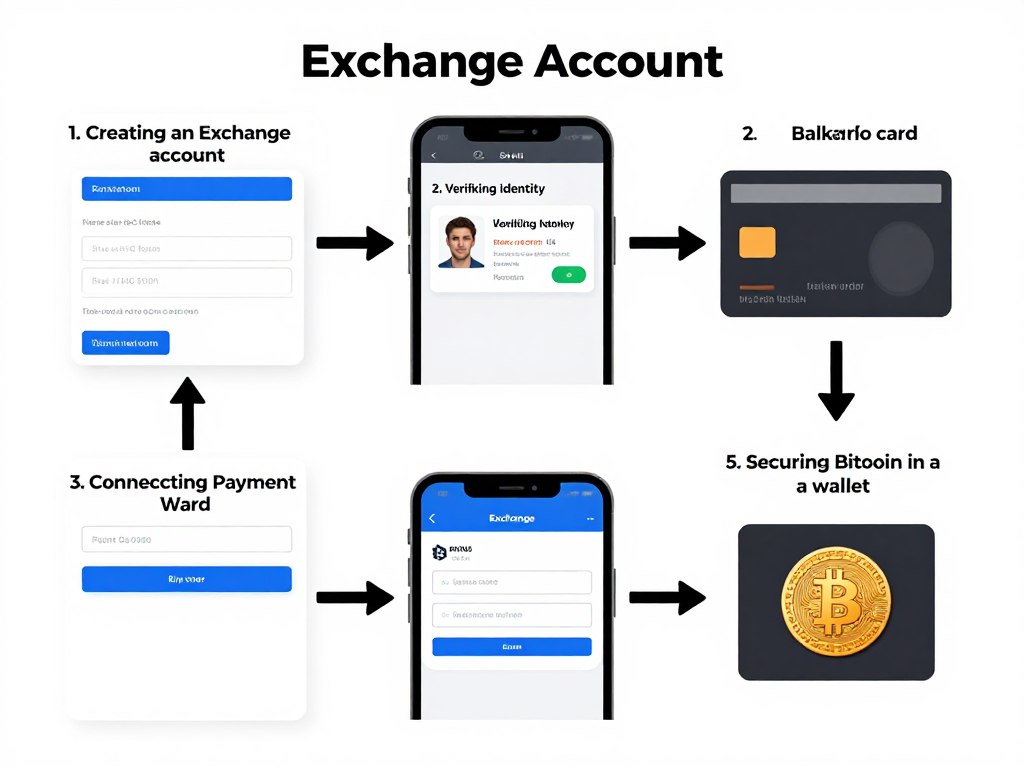
If you’re interested in exploring Bitcoin, here’s a straightforward process to get started:
Step 1: Educate Yourself
Before investing any money, take time to understand Bitcoin’s fundamentals, risks, and potential benefits. Resources include:
- Books like “The Bitcoin Standard” by Saifedean Ammous
- Educational websites like Bitcoin.org
- Reputable cryptocurrency news sources
- Online courses on Bitcoin and blockchain technology
Step 2: Choose a Bitcoin Exchange
To buy bitcoin, you’ll need to use a cryptocurrency exchange. Consider these factors when selecting one:
- Security features and history
- Available in your country
- Fee structure
- User interface and ease of use
- Customer support quality
- Available payment methods
Step 3: Create and Secure Your Wallet
While exchanges provide built-in wallets, for larger amounts consider using:
- Hardware wallets like Ledger or Trezor for maximum security
- Mobile wallets for convenience with smaller amounts
- Desktop wallets for a balance of security and usability
Important: Always back up your wallet’s recovery phrase (usually 12 or 24 words) in a secure location. If you lose access to your wallet, this phrase is the only way to recover your funds.
Step 4: Make Your First Purchase
Start small as you learn the process:
- Create an account on your chosen exchange
- Complete identity verification (required by regulations)
- Connect a payment method (bank account, credit card, etc.)
- Place an order to buy bitcoin (consider dollar-cost averaging)
- Transfer your bitcoin to your personal wallet (if not keeping on the exchange)
Step 5: Develop a Long-Term Strategy
Consider how Bitcoin fits into your broader financial plans:
- Determine your time horizon (short-term trading vs. long-term holding)
- Decide what percentage of your portfolio to allocate to Bitcoin
- Plan for tax implications in your jurisdiction
- Stay informed about developments in the Bitcoin ecosystem
How much Bitcoin should I buy as a beginner?
Start with an amount you can afford to lose—perhaps 1-5% of your investment portfolio. Remember that you don’t need to buy a whole bitcoin; you can purchase a fraction (like 0.01 BTC) to get started.
Is Bitcoin legal?
Bitcoin is legal in most countries, though regulations vary widely. Some nations have embraced it, while others have restrictions. Check your local laws before investing.
How safe is Bitcoin from hacking?
The Bitcoin network itself has never been successfully hacked in its 17+ years of existence. However, exchanges and individual wallets can be vulnerable if not properly secured. Using hardware wallets and following security best practices significantly reduces risks.
Start Your Bitcoin Journey Today
Create an account on a trusted platform to buy your first Bitcoin safely and securely.
Conclusion: Bitcoin’s Place in the Financial Future
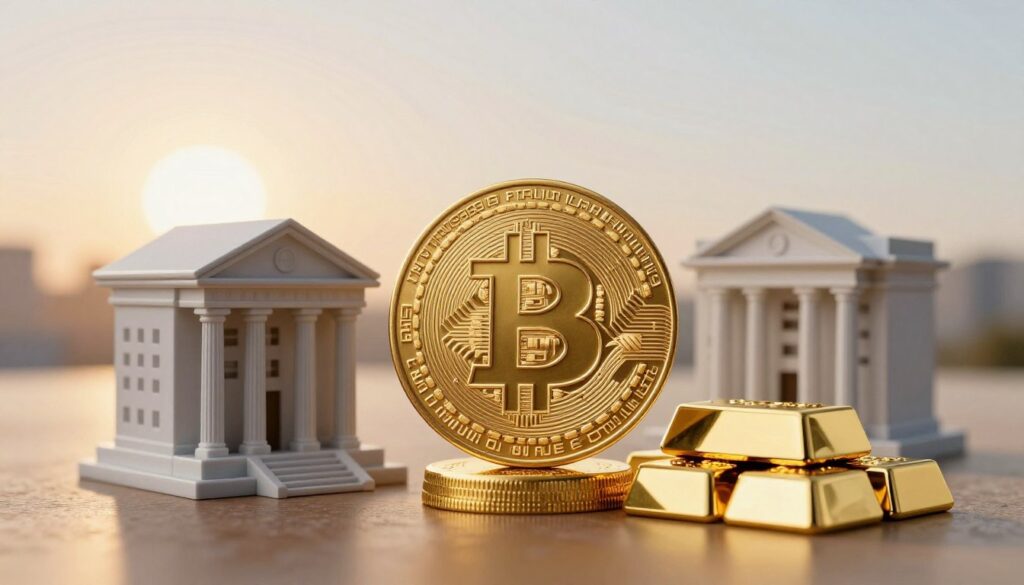
Bitcoin represents one of the most significant financial innovations of the 21st century. From its mysterious origins in 2009 to its current status as a globally recognized asset class, Bitcoin has challenged conventional notions about money, value transfer, and financial inclusion.
While Bitcoin continues to face challenges—including volatility, regulatory uncertainty, and scaling limitations—its fundamental value proposition remains compelling: a decentralized, borderless, censorship-resistant form of money for the digital age.
Whether Bitcoin ultimately becomes a mainstream currency, a digital store of value akin to “digital gold,” or something else entirely, its impact on our understanding of money and financial systems is already profound and likely permanent.
For individuals, Bitcoin offers an opportunity to participate directly in this financial revolution—whether through small experimental purchases, strategic investments, or deeper engagement with the technology and community.
As with any emerging technology and asset class, education, careful consideration of risks, and a long-term perspective are essential for those looking to explore the world of Bitcoin.